
When Should I Start Giving My Pet Supplements?
In short
There's no single right age. Most pets benefit from supplements at four moments: puppyhood (from about 8 weeks, with your vet's OK), when digestive issues show up, as they age (around 7 years and up for dogs), and preventively, to fill nutritional gaps. Match the supplement to the need (digestion, liver, joints, skin and coat), start one product at a time, and check with your veterinarian first, especially if your pet takes medication.
As pet parents, we all want to give our furry friends the best care possible, from nutritious food to regular exercise and endless belly rubs. One of the most common questions we hear is: "When should I start giving my pet supplements?"
Whether you're raising a playful pup, caring for a senior dog or looking after a cat, supplements can play a useful role in supporting your pet's health. Here's what you need to know.
What are pet supplements?
Pet supplements are vitamins, minerals, herbs or other nutrients formulated specifically for animals. They're meant to support a balanced diet, not replace it.
At MedsMeHappy, our supplements are made from human-grade ingredients to support your pet's digestive health, liver function, joints, skin and coat, immunity and more, using clean, effective ingredients.
When is the right time to start?
There's no one-size-fits-all answer, but these are the four key life stages and signs when it may be time to add a supplement to your pet's daily routine.
1. During puppyhood (8 weeks and older)
- Puppies need support for healthy development.
- Supplements like probiotics or fiber can help ease digestive transitions, especially after vaccines, dewormers or a change in diet.
- Ask your vet before starting anything new during this delicate growth phase. They can tell you whether your puppy needs a supplement at all, and which one.
If your vet agrees, look for products labeled for dogs of all ages. Both FiberSyl Fiber Capsules for Dogs and the Green Chew Multivitamin for Dogs, which includes a six-strain probiotic blend, are labeled for dogs of all ages and breeds.
2. When you notice digestive issues
- Signs include soft stool, gas, bloating or a frequently upset stomach.
- A fiber supplement can help regulate digestion and support gut health. FiberSyl psyllium husk fiber capsules for dogs help balance stool consistency, in both directions (loose stool and constipation), and support anal gland health.
- For cats, FiberSyl Fiber Capsules for Cats also help with hairballs.
- FiberSyl relies on water, so make sure plenty of fresh drinking water is always available. Traveling soon? See what to pack to keep your dog healthy.
Sudden, severe or long-lasting diarrhea, vomiting, blood in the stool or a pet who stops eating needs a vet visit, not a supplement.
3. As your dog ages (7 years and up)
- Older dogs are more prone to liver stress, joint pain and nutrient absorption issues. For a deeper look, see our top 5 supplements for senior dogs.
- Liver support: supplements with milk thistle may help maintain long-term organ health. SilymarinAdvanced® liver support tablets combine SAMe (S-adenosylmethionine), silybin from milk thistle and phosphatidylcholine in an uncoated tablet. Learn more in our milk thistle ingredient spotlight. Choose the size that matches your pet's weight: Small Dogs (up to 12 lbs), Medium Dogs (13 to 34 lbs) or Large Dogs (35 lbs and over).
- Joint support: for stiffness and slowing down, Green Chew Hip & Joint Support soft chews combine glucosamine, MSM and chondroitin for joint flexibility, mobility and cartilage support. They're made for small and medium dogs under 65 lbs, and they contain green-lipped mussel (a shellfish), so check with your vet if your dog has allergies.
4. Preventively, to fill nutritional gaps
- Even high-quality pet foods can miss some nutrients, and needs change with age, activity and health.
- A daily supplement gives your dog consistent support for digestion, immunity and energy. The Green Chew Multivitamin 8-in-1 soft chews support joints, skin, digestion, immunity, heart, brain, coat and energy in one daily chew. Read more in the benefits of daily pet supplements.
What about cats and kittens?
The same principle applies to cats: support specific needs, and talk to your vet first, especially for kittens. Use only products whose label includes cats, and follow the cat directions.
- Liver support: SilymarinAdvanced® for Cats.
- Digestion and hairballs: FiberSyl Fiber Capsules for Cats.
- Skin and coat: Wild Alaskan Omega 3 Fish Oil for Cats & Dogs.
Common signs your pet might benefit from supplements
- Irregular or loose stool
- Lethargy or low energy
- Dry skin or a dull coat
- Picky eating or poor appetite
- Recurring digestive problems
- Age-related slowing down or stiffness
If you see any of these, it may be time to consider a targeted supplement, after ruling out a medical cause with your vet. Many of these signs can also point to conditions that need treatment.
Which supplement fits which need?
A quick map from common needs to the MedsMeHappy products that support them. Each product page has the full ingredients and label directions by weight.
| Need | Product | For |
|---|---|---|
| Digestion, stool consistency, anal glands | FiberSyl for Dogs / FiberSyl for Cats | Dogs and cats of all ages |
| Liver support | SilymarinAdvanced® Small Dogs, Medium Dogs, Large Dogs, Cats | By weight: up to 12 lbs, 13 to 34 lbs, 35 lbs and over; cats |
| Hips and joints | Green Chew Hip & Joint Support | Small and medium dogs under 65 lbs |
| Everyday multivitamin | Green Chew Multivitamin for Dogs | Dogs of all ages, breeds and sizes |
| Skin and coat (omega-3 EPA and DHA) | Wild Alaskan Omega 3 Fish Oil | Cats and dogs of all ages |
How to start safely
- Choose high-quality supplements. Look for clean formulas with a clear label, made with ingredients you can pronounce (and trust), like those from MedsMeHappy.
- Start one at a time, and slowly. Introduce a supplement gradually into meals and watch your pet's response before adding anything else.
- Follow the label. Dosing depends on species and weight, so use the directions on the product page or bottle.
- Consult your vet. This is especially important if your pet is on medication, is pregnant or nursing, or has a medical condition.
Frequently asked questions
At what age can a puppy start taking supplements?
Many puppies can start from about 8 weeks old, but only after you check with your veterinarian. Puppyhood is a delicate growth phase, so ask your vet before adding anything new, especially around vaccines, dewormers or a change of food.
When is a dog considered a senior?
Around 7 years and up is when many dogs start to need extra support. Older dogs are more prone to liver stress, joint stiffness and nutrient absorption issues, so it is a good time to ask your vet about liver support and joint support.
Can cats take supplements too?
Yes, with products labeled for cats and your vet's approval. MedsMeHappy makes SilymarinAdvanced® for Cats (liver support), FiberSyl Fiber Capsules for Cats (digestion and hairballs) and Wild Alaskan Omega 3 Fish Oil for Cats & Dogs (skin and coat). Follow the cat directions on the label.
Can I give my pet supplements every day, long term?
Many supplements are meant to be given daily. For fiber, our FAQ notes that fiber supplements are generally safe for long-term use when administered as directed, and that over-supplementation may cause temporary bloating or gas. Stick to the label directions and review your pet's routine with your vet at checkups.
Can supplements be given with my pet's medication?
Ask your veterinarian first. For example, SilymarinAdvanced® is generally safe to give alongside most medications, but your vet should confirm it fits your pet's specific treatment plan.
How do I introduce a new supplement?
Start one product at a time, add it to meals gradually and watch how your pet responds before adding anything else. With fiber supplements, make sure plenty of fresh water is always available.
Do supplements replace a good diet or vet care?
No. Supplements help fill gaps and support specific needs alongside a balanced diet, exercise and regular veterinary checkups. They do not diagnose, treat or replace care for a medical condition.
Final thoughts: early support, healthier future
Giving your pet supplements isn't just about solving a problem. It's about supporting health before issues start. From digestion to liver support, starting at the right time, with your vet's guidance, can help your companion feel their best through every life stage.
If you're unsure where to begin, check out our best-selling FiberSyl fiber capsules and SilymarinAdvanced® liver support, or pick by need:
-
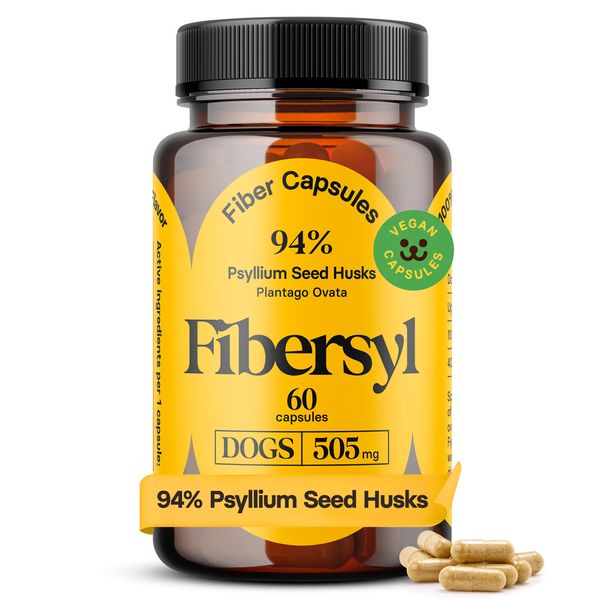
FiberSyl Fiber Capsules
Psyllium husk fiber for digestion and stool consistency. For dogs and cats.
Shop FiberSyl for Dogs -
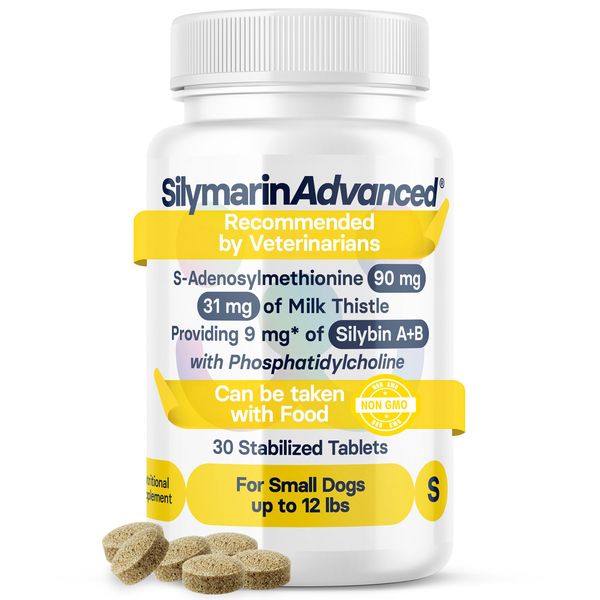
SilymarinAdvanced® Liver Support
SAMe, milk thistle (silybin) and phosphatidylcholine. Sized by weight, plus a cat version.
Shop SilymarinAdvanced® -
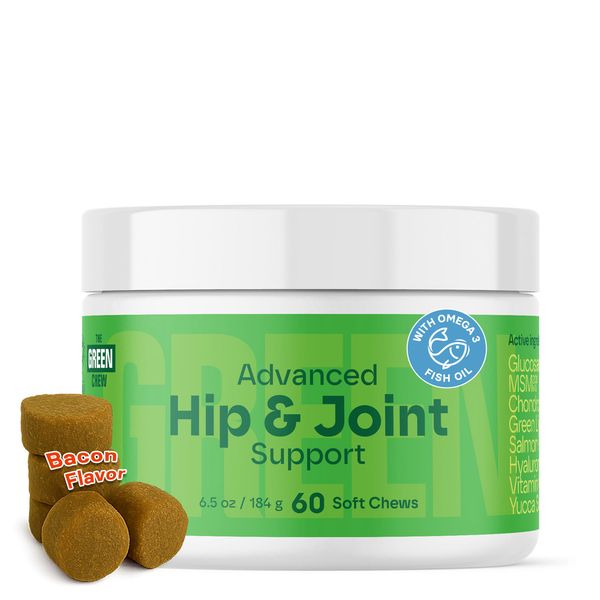
Green Chew Hip & Joint
Glucosamine, MSM and chondroitin soft chews for dogs under 65 lbs.
Shop Hip & Joint chews -
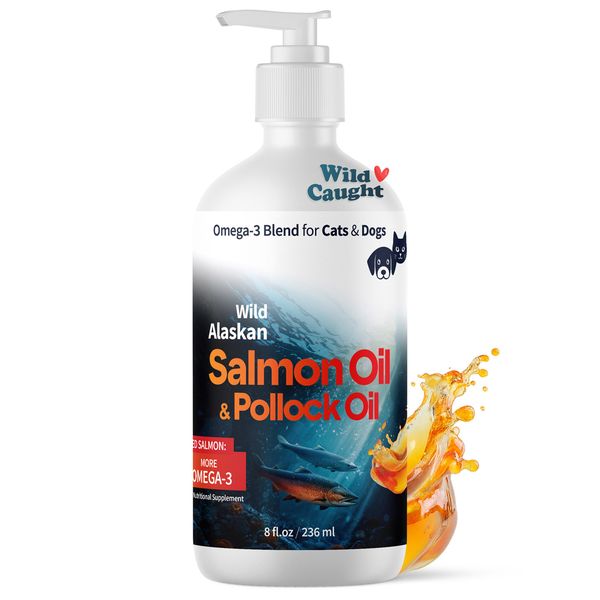
Wild Alaskan Omega 3
Liquid omega-3 (EPA and DHA) for skin and coat. For cats and dogs.
Shop Omega 3 Fish Oil
Ready to support your pet's health from the inside out?
Free standard shipping on every U.S. order. Not sure which one fits? Ask our Pet AI or your vet.
Explore MedsMeHappy supplementsThese statements are general information and are not a substitute for professional veterinary advice. MedsMeHappy products are supplements and are not intended to diagnose, treat, cure or prevent any disease.
Comments
Enter your name and email once to join the discussion. Comments are reviewed before they go live.
Commenting as . You're signed up for pet-health tips.