
Traveling with Dogs: What to Pack to Keep Them Healthy
In short
Pack your dog's regular food and plenty of water, collapsible bowls, every medication and daily supplement they already take (enough for the whole trip), vaccine records and vet contacts, ID tags, a leash and harness, waste bags, a first-aid kit and a familiar blanket or toy. Keep feeding and potty routines as close to normal as you can, restrain your dog safely in the car, and see your vet before the trip, especially if you're crossing state lines or flying.
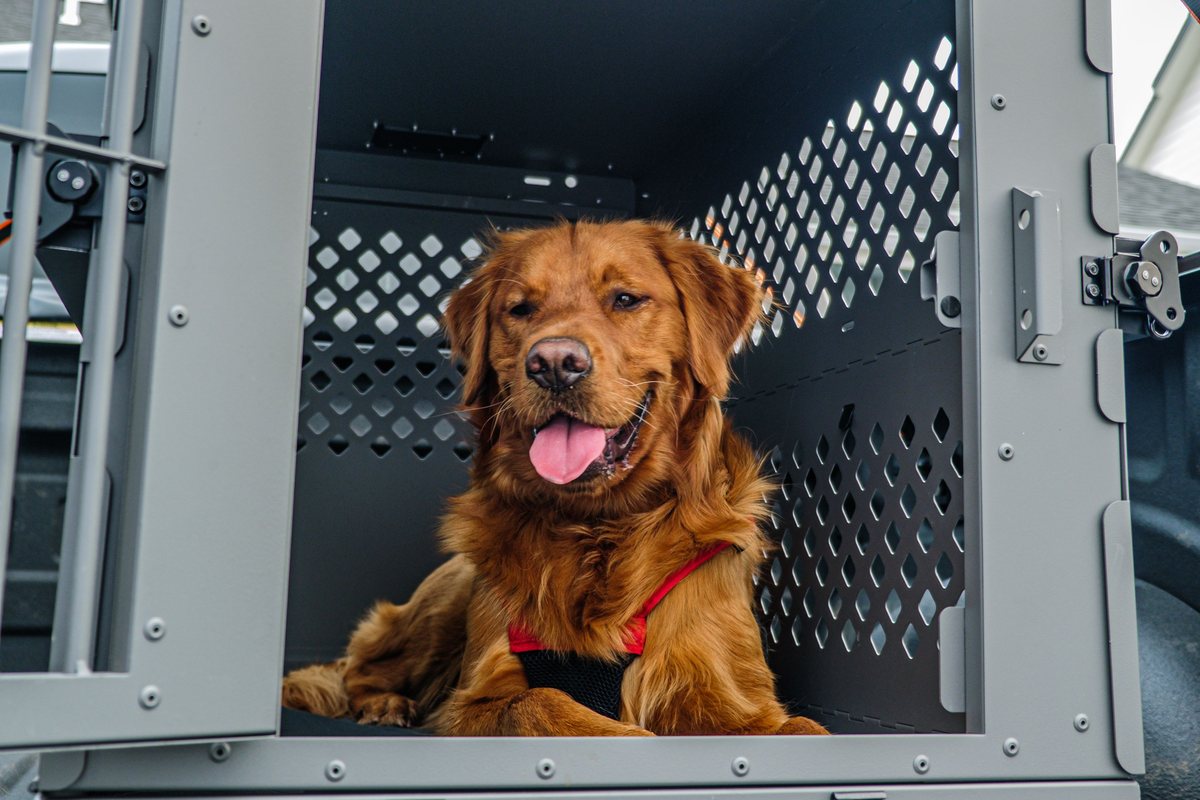
Whether you're planning a weekend road trip or a longer vacation, bringing your dog along makes every adventure more fun. To keep your furry friend safe, healthy and comfortable on the go, it pays to pack smart.
At MedsMeHappy, we believe healthy travel starts with proactive care, so we've put together a practical travel checklist for dogs to help you pack with confidence.
Must-have essentials for traveling with dogs
1. Daily supplements and medications (yes, even on vacation)
Traveling doesn't mean your dog has to skip their daily health routine. New places, new water and a new schedule are a lot of change, and keeping the parts of the routine you can control, like meals and daily supplements, helps keep things familiar.
If your dog already takes these, bring enough for the whole trip:
- FiberSyl Fiber Capsules for Dogs: psyllium husk fiber that helps balance stool consistency, both loose stool and occasional constipation, and supports anal gland health. You open the capsule and sprinkle it over food. FiberSyl relies on water, so pack plenty of fresh water. (Traveling with a cat too? There's FiberSyl for Cats.)
- SilymarinAdvanced® liver support: an uncoated tablet with SAMe, silybin from milk thistle and phosphatidylcholine. It supports liver function, and the formula is also positioned for brain and cognitive support. The tablets can be split, crushed and sprinkled over food, or given whole, with meals or on an empty stomach, which makes them easy to give on the road. Pack the version for your dog's weight:
- Small Dogs, up to 12 lbs (also as a 90-tablet 3-pack)
- Medium Dogs, 13 to 34 lbs (also as 90 tablets)
- Large Dogs, 35 lbs and over (also as 90 tablets)
- For cats: SilymarinAdvanced® for Cats (also as a 90-tablet 3-pack)
Already using other MedsMeHappy products at home, such as the Green Chew Multivitamin, Green Chew Hip & Joint Support or Wild Alaskan Omega 3 Fish Oil? Pack those too, so your dog's routine stays the same.
Travel tip: pre-portion supplements into a weekly pill organizer or a reusable pouch to save space and stay consistent. Planning to try a new supplement? Start it a few weeks before you leave, with your vet's OK, rather than on the trip, so you already know how your dog responds. Follow the label for your dog's weight.
2. Portable food and water supplies
- Collapsible food and water bowls
- Plenty of clean water, in case there's none at a stop
- Enough of your dog's regular food for the entire trip. Avoid switching foods while you travel.
- Treats for rewards and distractions
Bonus tip: travel can affect your dog's appetite and digestion, so stick to a consistent feeding schedule. On long car trips, small portions of food and water work better than big meals.
3. Health and safety essentials
- Proof of rabies vaccination and copies of relevant medical records
- Your vet's phone number, a pet poison control hotline and a 24-hour emergency vet near your destination
- Flea, tick and heartworm prevention (ask your vet what's needed where you're going)
- Waste bags
- A first-aid kit, including pet-safe wound wash and tweezers
- All medications and supplements your dog takes, since refills may be hard to find on the road
Changes in food, water or routine can sometimes lead to constipation or an upset stomach. If your dog already uses a fiber supplement, keeping it going on the trip helps keep their routine familiar. Contact a local vet if your dog has vomiting, diarrhea that doesn't settle, or stops eating or drinking.
4. Comfort items from home
Dogs feel safest with familiar smells and routines. Pack:
- Their favorite blanket or bed
- A toy or two
- A crate or carrier (help your dog get used to it before the trip)
- A leash, a harness, and a collar with ID tags showing up-to-date information
5. Travel documents and emergency info
If you're traveling to another state or country, you may need:
- A Certificate of Veterinary Inspection (health certificate), signed by a federally accredited veterinarian. The AVMA notes it's generally issued within 10 days before air travel, or within 30 days before other travel.
- Vaccine records, and for some destinations a microchip or specific tests
- Emergency vet contacts along your route
Interstate or international arrangements can take months, so start planning early. If your dog takes any medications or has known health conditions, carry a written list of what they take, how often, and why.
Car safety for dogs
- Never leave your dog alone in a parked car. The AVMA notes the inside of a car can rise about 20°F in 10 minutes, even in the shade, and cracking the windows makes no difference.
- Restrain your dog with a crash-tested car harness or a secured crate, and keep dogs out of the front passenger seat if there's an airbag.
- Stop about every two hours on long drives so your dog can stretch, drink and relieve themselves, on a leash with ID tags.
- Keep heads inside the window to avoid eye and ear injuries from debris.
- If your dog gets carsick, tell your vet before the trip.
Why digestion and liver health come up when you travel
Travel means change: a new climate, schedule or water, and sometimes new foods or medications. Here's how the two featured supplements fit in:
- Digestion: changes in routine can affect stool and appetite. FiberSyl provides natural psyllium fiber that helps balance stool consistency.
- Liver: the liver helps process food and medications. SilymarinAdvanced® supports liver function as part of your dog's daily routine, at home or on the go. Learn more in our milk thistle ingredient spotlight.
Keeping these in your bag is a simple way to keep your dog's routine on track wherever you go. For why consistency matters, see The Benefits of Daily Pet Supplements.
Final packing checklist for healthy dog travel
- Your dog's regular food and collapsible bowls
- Fresh water supply
- Leash, harness, collar and ID tags
- Crate or carrier, plus a favorite bed or blanket
- Toys and comfort items
- Vaccine records, medical records and vet contacts
- Health certificate, if crossing state or international borders
- Flea, tick and heartworm prevention
- First-aid kit and waste bags
- All medications, with a written list
- SilymarinAdvanced® (liver support), the size for your dog's weight
- FiberSyl Fiber Capsules (digestive support)
Frequently asked questions
What should I pack for my dog on a road trip?
Pack your dog's regular food, water and bowls, all medications and daily supplements, vaccine records and vet contacts, a leash, harness and ID tags, waste bags, a first-aid kit, a crate or car harness, and a familiar blanket or toy.
Should I keep giving my dog supplements while traveling?
Yes, if your dog already takes them. Keeping their daily routine, including supplements, as normal as possible helps. Bring enough for the whole trip and follow the label directions.
Is it a good idea to start a new supplement right before a trip?
It's better to start any new supplement a few weeks before you leave, with your vet's approval, so you know how your dog responds before you're away from home.
Does my dog need a health certificate to travel?
Often, if you're crossing state lines or traveling internationally. The AVMA says a Certificate of Veterinary Inspection is generally issued within 10 days before air travel or within 30 days before other travel, and it must be signed by a federally accredited veterinarian. Check your destination's and airline's rules early.
How can I help my dog's digestion while traveling?
Bring their regular food, avoid switching foods, feed on a consistent schedule, offer small meals and water on long drives, and keep any daily fiber supplement they already use. See a vet if vomiting or diarrhea doesn't settle or your dog stops eating or drinking.
How often should I stop on a long drive with my dog?
The AVMA suggests planning a stop about every two hours so your dog can exercise and relieve themselves. Always use a leash and make sure your dog is wearing ID tags when outside the car.
Can I leave my dog in the car for a few minutes?
No. A parked car can heat up about 20°F in 10 minutes, even in the shade and with the windows cracked, and cold cars are risky too. Never leave your dog alone in a parked vehicle.
Ready to pack health into every trip?
At MedsMeHappy, we make it easy to care for your pet wherever life takes you. From natural psyllium fiber to SAMe and milk thistle liver support, our supplements are made from human-grade ingredients and third-party tested by Eurofins after every batch. Order before you go: standard shipping is free on every U.S. order.
-
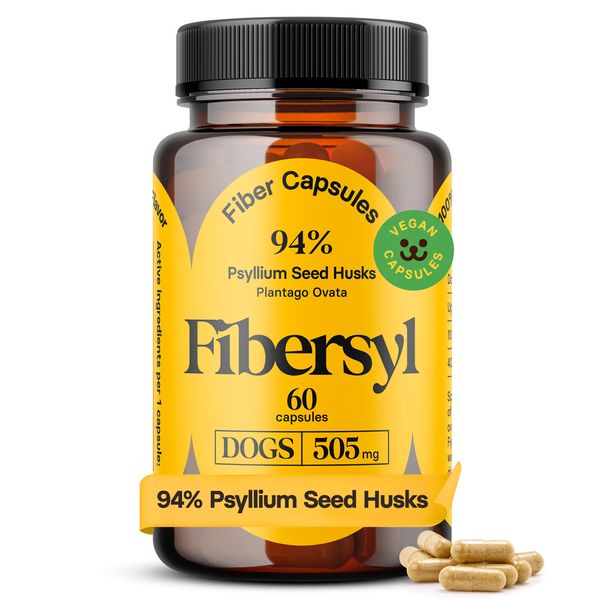
FiberSyl for Dogs
Psyllium husk fiber capsules you sprinkle over food.
Shop FiberSyl -
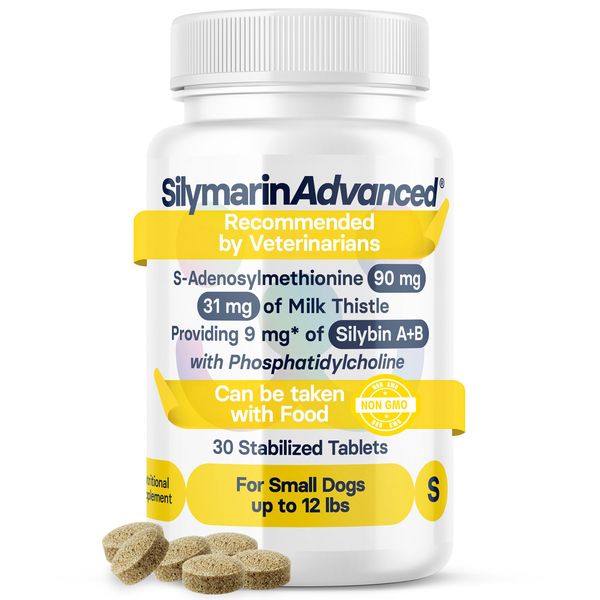
SilymarinAdvanced® Small
For dogs up to 12 lbs.
Shop Small Dogs -
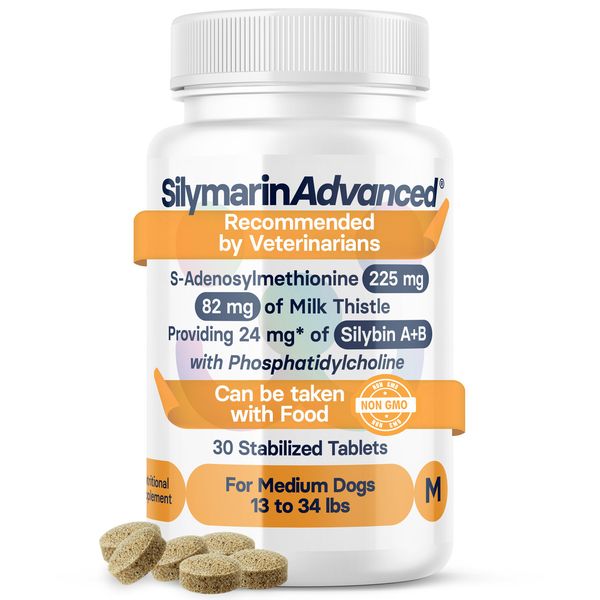
SilymarinAdvanced® Medium
For dogs 13 to 34 lbs.
Shop Medium Dogs -
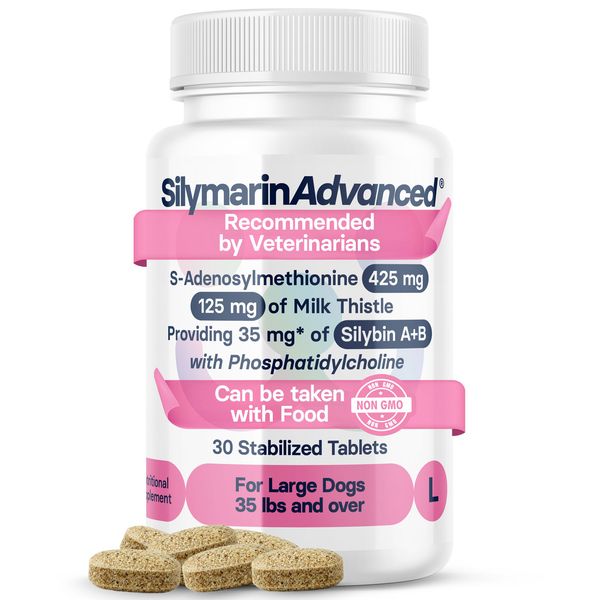
SilymarinAdvanced® Large
For dogs 35 lbs and over.
Shop Large Dogs
Pack with peace of mind
Not sure which size to pack? Ask our Pet AI or your vet.
Explore MedsMeHappy supplementsSources
- American Veterinary Medical Association. Traveling with your dog or cat.
- American Veterinary Medical Association. Pet safety in vehicles.
- MedsMeHappy product pages (ingredients, label directions and product descriptions) for each product linked above.
These statements are general information and are not a substitute for professional veterinary advice. MedsMeHappy products are supplements and are not intended to diagnose, treat, cure or prevent any disease.
Comments
Enter your name and email once to join the discussion. Comments are reviewed before they go live.
Commenting as . You're signed up for pet-health tips.