
Thanksgiving Safety for Dogs and Cats: What to Share, What to Skip, and How to Keep the Day Calm
In short
Keep rich table scraps, turkey skin and bones, gravy, stuffing, onions, garlic, grapes and raisins, chocolate, xylitol-sweetened desserts and raw yeast dough away from your dog or cat. If you'd like to share, ask your vet whether a small bite of plain, unseasoned, boneless and skinless turkey is OK for your pet. Keep lilies out of any home with cats, secure the trash, give pets a quiet room away from guests, and post your vet's and an emergency clinic's numbers where everyone can see them.
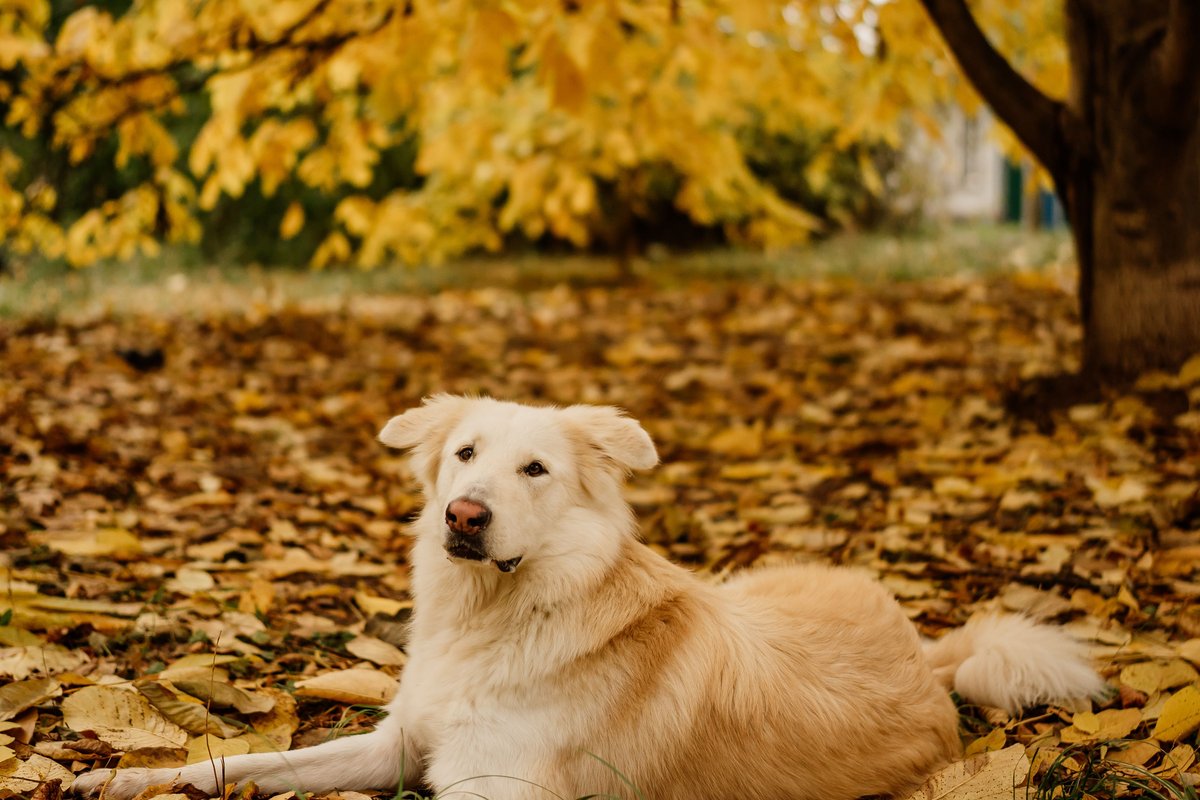
Thanksgiving is one of our favorite days of the year: family, gratitude and a kitchen full of amazing smells. Your dog and cat think so too. With so much food within nose-reach and so many people coming and going, it's also a day when veterinarians often see upset stomachs and "they ate what?" emergencies.
The good news is that a little planning goes a long way. Here's how to keep your pets safe, comfortable and part of the fun.
Thanksgiving foods to keep away from pets
The American Veterinary Medical Association (AVMA) recommends keeping people food away from pets during the holidays and asking guests to do the same. These are the ones to watch most closely:
| Food | Why it's a concern |
|---|---|
| Turkey skin, fat, gravy and drippings | Rich, fatty foods can be hard for pets to digest and are linked to pancreatitis |
| Cooked bones (turkey, ham) | Can cause choking or an intestinal blockage |
| Stuffing and casseroles | Often contain onions, garlic, butter and seasonings |
| Onions, garlic, leeks and chives | Toxic to dogs and cats, even when cooked |
| Grapes and raisins | Toxic to dogs; watch salads, stuffing and baked goods |
| Chocolate | Toxic to dogs and cats; treat all chocolate as off-limits |
| Sugar-free desserts, gum and candy | May contain xylitol, which the AVMA links to liver failure and death in dogs |
| Raw yeast dough | Can cause painful gas and dangerous bloating |
| Twine, foil, bags and packaging from the turkey | Smell like food and can cause blockages if swallowed |
Tip: the risk isn't only on the table. A turkey carcass in an easy-to-open trash can is a classic holiday hazard. Bag scraps, bones and packaging tightly and take them outside or behind a closed door.
What can pets have on Thanksgiving?
If you want your pet to feel included, the safest option is a treat made for pets. If you'd like to share from the table, ask your veterinarian first, especially if your pet has a sensitive stomach, a history of pancreatitis or a special diet. Options many vets are comfortable with in small amounts include:
- Plain, cooked turkey breast with no skin, bones, butter or seasoning
- Plain cooked green beans
- Plain canned pumpkin (100% pumpkin, not pumpkin pie filling, which is sweetened and spiced)
Keep portions small. A new or rich food, even a "safe" one, can still upset a stomach that's used to the same food every day.
Decorations and plants to watch
- Lilies (cats): lilies are often tucked into fall bouquets and centerpieces, and they're considered extremely dangerous to cats. The FDA and ASPCA warn that even small exposures, including pollen or vase water, can cause serious kidney problems. If you have a cat, choose a lily-free arrangement.
- Candles: never leave pets alone with a lit candle. A wagging tail or a curious cat can knock one over.
- Corn cobs, gourds and decorative food: these can be chewed and swallowed, and pieces can cause blockages.
- Ribbons and string: especially tempting to cats, and risky if swallowed.
Keeping the day calm with guests
Even social pets can find a full house overwhelming. The AVMA suggests:
- A quiet retreat. Set up a room or crate away from the commotion where guests won't follow, with water, a bed and a favorite toy.
- Watch the door. Pets can slip out while you're taking coats. Check that ID tags and microchip contact details are up to date.
- Brief your guests. Ask everyone, especially kids, not to feed pets from their plates, however hard those eyes are to resist.
Keep the daily routine steady
Holidays shake up schedules: late meals, travel, visitors, unusual food on the floor. For pets, familiar routines help. Feed at the usual times, keep walks and litter-box cleaning on schedule, and keep giving any daily supplements and medications your pet already takes.
If your dog already uses FiberSyl Fiber Capsules for Dogs for digestive regularity (or your cat uses FiberSyl for Cats), or takes SilymarinAdvanced® liver support as part of their routine, keep giving it on its usual schedule through the holiday, and follow the label for your pet's weight. Supplements support everyday health. They don't replace a vet visit if your pet gets into something they shouldn't, and they shouldn't be used to "fix" a rich meal.
Traveling for Thanksgiving? Our travel packing checklist covers what to bring.
If your pet eats something they shouldn't
The AVMA lists warning signs such as sudden behavior changes, depression, pain, loss of appetite, vomiting or diarrhea. If you notice any of these, or you know your pet ate something risky, call your veterinarian or nearest emergency clinic right away. Don't wait to see what happens.
Post these numbers where your whole household can see them before the guests arrive:
- Your veterinarian's clinic phone number
- Your nearest 24/7 emergency veterinary clinic
- ASPCA Animal Poison Control Center: 888-426-4435 (a fee may apply)
- Pet Poison Helpline: 855-764-7661 (a fee may apply)
Frequently asked questions
Can my dog eat turkey on Thanksgiving?
Ask your vet first. Many vets are comfortable with a small piece of plain, cooked, boneless and skinless turkey breast for a healthy dog. Skip the skin, fat, gravy, seasoning and bones.
Why is turkey skin bad for dogs?
It's high in fat and often seasoned with butter, onion or garlic. Rich, fatty foods are hard for pets to digest and are linked to pancreatitis.
Can cats eat Thanksgiving food?
It's best to keep table food away from cats. If your vet says it's OK, a tiny bite of plain cooked turkey with no skin, bones or seasoning is the safest choice. Keep lilies out of the house entirely.
Is pumpkin pie safe for dogs?
No. Pie filling is sweetened and spiced and may contain other risky ingredients. If your vet recommends pumpkin, use plain 100% canned pumpkin.
What should I do if my dog ate a turkey bone?
Call your veterinarian or an emergency clinic right away for advice. Don't try to make your dog vomit unless a veterinarian tells you to.
How can I help my pet with holiday visitors?
Give them a quiet room or crate away from the commotion, keep their routine as normal as possible, and watch the door when guests arrive and leave.
Have a happy, healthy Thanksgiving
From all of us at MedsMeHappy: thank you for letting us be part of your pet's daily routine. We make human-grade supplements for dogs and cats, third-party tested by Eurofins after every batch.
Explore MedsMeHappy supplementsSources
- American Veterinary Medical Association. Winter holiday pet safety.
- U.S. Food and Drug Administration. Lovely lilies and curious cats: a dangerous combination.
- ASPCA Animal Poison Control Center. People foods to avoid feeding your pets.
- American Kennel Club. Which Thanksgiving foods can dogs eat? (plain turkey, green beans and pumpkin puree; updated November 3, 2026).
- MedsMeHappy product pages for each product linked above.
These statements are general information and are not a substitute for professional veterinary advice. MedsMeHappy products are supplements and are not intended to diagnose, treat, cure or prevent any disease.
Comments
Enter your name and email once to join the discussion. Comments are reviewed before they go live.
Commenting as . You're signed up for pet-health tips.