
Top 5 Supplements for Senior Dogs (and When Each One Makes Sense)
In short
Not every senior dog needs every supplement, but five types come up most often for older dogs: liver and brain support (SAMe and milk thistle), fiber for digestive regularity, joint support, omega-3 fish oil (EPA and DHA) for skin, coat, heart and joints, and a multivitamin with antioxidants and probiotics for everyday and immune support. Choose based on your dog's own needs and bloodwork, add one at a time, and plan it with your veterinarian.
As your loyal pup enters their golden years, their health needs start to change. Like people, senior dogs often need extra support to stay comfortable, mobile and mentally sharp. The right daily supplements, chosen with your vet, can help your older dog feel their best.
At MedsMeHappy, we're passionate about proactive pet health. Whether your dog is slowing down a bit or simply aging gracefully, here are the five supplement types most worth discussing for a senior dog, what each one is for, and what the evidence says.
When is a dog a "senior"?
There's no single age. The American Animal Hospital Association (AAHA) defines a senior dog as one in the last 25% of its estimated lifespan, which depends on breed and size. Small dogs may not be considered seniors until around 12 years old, while a large dog can reach senior status as early as 7 to 8 years old.
That's why the senior years are a good time to ask your vet for a tailored care plan, including bloodwork, before starting supplements. For a stage-by-stage overview, see the senior section of When Should I Start Giving My Pet Supplements?
1. Liver and brain support with SAMe and milk thistle
The liver filters toxins and processes medications, and older dogs often take more medications. Some dogs also show changes in alertness and behavior as they age. That's why liver support is one of the most common supplement conversations for seniors.
SilymarinAdvanced® liver support combines SAMe, silybin (from milk thistle extract) and phosphatidylcholine in one uncoated tablet. It supports liver function, and the formula is also positioned for brain and cognitive support, especially in senior pets. Veterinary references note that SAMe helps raise levels of the antioxidant glutathione in the liver of dogs and cats.
Choose the version for your dog's weight: Small Dogs (up to 12 lbs), Medium Dogs (13 to 34 lbs) or Large Dogs (35 lbs and over). There's also SilymarinAdvanced® for Cats.
Want the details on how milk thistle works and what the research says? Read our ingredient spotlight on milk thistle and SilymarinAdvanced®.
2. Daily fiber for digestive comfort
Constipation and irregular bowel movements can become more common as dogs age. A fiber supplement can help maintain regularity and support gut health.
FiberSyl Fiber Capsules for Dogs use psyllium husk, a natural source of fiber. FiberSyl helps:
- Balance stool consistency, both loose stool and occasional constipation
- Support anal gland health
- Support satiety, which can help with weight management
Have a senior cat too? FiberSyl for Cats also helps with hairballs. FiberSyl relies on water, so keep fresh drinking water available at all times.
Note: new or worsening constipation, diarrhea or straining in an older dog should be checked by your vet before you add a supplement.
3. Joint support
Stiffness and slowing down are among the most visible signs of aging. Joint supplements are some of the most popular products for older dogs, but the evidence behind different ingredients varies, so it helps to know what you're choosing.
Green Chew Hip & Joint Support soft chews combine glucosamine, MSM and chondroitin with green-lipped mussel, hyaluronic acid and a small amount of salmon oil, to support joint flexibility, mobility and cartilage. They're bacon-flavored and labeled for small and medium dogs under 65 lbs. They contain shellfish (green-lipped mussel), so check with your vet if your dog has allergies. For dogs over 65 lbs, ask your vet what to use.
Some joint products also include ingredients such as turmeric. MedsMeHappy doesn't currently sell a turmeric supplement, so if you're considering one, ask your vet whether it's appropriate and safe with your dog's medications.
What the evidence says: veterinary reviews find the strongest evidence for joint comfort with omega-3 fatty acids (EPA and DHA) and supportive evidence for green-lipped mussel. Evidence for glucosamine and chondroitin is weaker and mixed. Supplements work best as part of a plan your vet designs, which may include weight management, gentle exercise and, when needed, prescribed pain relief.
4. Omega-3 fatty acids for skin, coat, heart and joints
Omega-3s aren't just for looks. Fish oil is rich in the omega-3 fatty acids EPA and DHA, which act as anti-inflammatory agents and are used by vets for skin, joint and heart conditions, among others.
Wild Alaskan Omega 3 Fish Oil for Cats & Dogs is a liquid blend of wild Alaskan pollock and salmon oil (with mixed tocopherols), packed with EPA and DHA. It nourishes skin and coat and supports heart, joint and immune health. It comes in an easy pump bottle that you mix into wet or dry food, in an 8 fl oz or 16 fl oz size, and it's made in a GMP-certified, FDA-registered facility.
Ask your vet about the amount. For joints, veterinary sources note that EPA and DHA need to reach a high enough level to make a difference, and many dog foods already contain some fish oil. Fish oil can also cause side effects such as stomach upset and isn't right for every pet, so plan the amount with your vet, starting from the label directions.
5. Everyday and immune support
The immune system changes with age, and older dogs can take longer to bounce back. Antioxidants such as vitamins C and E and probiotics are common choices for everyday support.
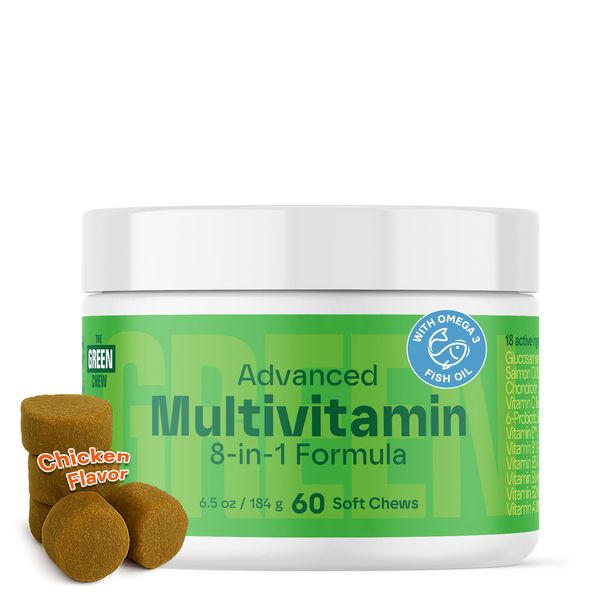
The Green Chew Multivitamin for Dogs brings these together in one chicken-flavored soft chew: vitamins C and E, a six-strain probiotic blend, B vitamins, vitamins A and D3, plus glucosamine, chondroitin and salmon oil. It's formulated to support joints, skin, digestion, immunity, heart, brain, coat and energy, for dogs of all ages, breeds and sizes, and it's made in the USA in a GMP-certified facility.
Senior dog supplements at a glance
| Need | Supplement type | MedsMeHappy option |
|---|---|---|
| Liver and brain | SAMe + milk thistle (silybin) + phosphatidylcholine | SilymarinAdvanced® Small, Medium, Large |
| Digestive regularity | Psyllium husk fiber | FiberSyl for Dogs |
| Joints (dogs under 65 lbs) | Glucosamine, MSM, chondroitin, green-lipped mussel | Green Chew Hip & Joint |
| Skin, coat, heart, joints | Omega-3 fish oil (EPA and DHA) | Wild Alaskan Omega 3 |
| Everyday and immune | Multivitamin with antioxidants and probiotics | Green Chew Multivitamin |
Building your senior dog's daily routine
When it comes to your senior dog, consistency matters. A daily routine you plan with your vet can help support:
- Comfort and mobility
- Steady energy
- Mental sharpness
- Healthy digestion
- Happier days, every day
- Start with a senior checkup. Bloodwork helps your vet see which needs, if any, to prioritize.
- Add one supplement at a time, and give it a while before adding the next so you can tell what's helping.
- Watch for overlap. For example, the Multivitamin already contains glucosamine, chondroitin and salmon oil, so tell your vet if you also use a joint chew or fish oil.
- Follow each label for your dog's weight, and review the routine at every checkup.
- Pack it for trips. Senior dogs do best with routine; see our travel packing checklist.
For more on why consistency matters, read The Benefits of Daily Pet Supplements.
Frequently asked questions
What age is a dog considered a senior?
It depends on size and breed. AAHA defines a senior dog as one in the last 25% of its estimated lifespan. Small dogs may not be seniors until around 12 years old, while large dogs can be seniors at 7 to 8 years old.
Does every senior dog need supplements?
No. Many senior dogs benefit from targeted support, but the right choice depends on your dog's diet, health, bloodwork and medications. Your veterinarian can help you decide which supplements, if any, make sense.
Which supplement should I start with for my senior dog?
Start with the need that matters most for your dog, such as stiffness, digestion, skin and coat, or liver values on a blood panel, and discuss it with your vet. Add one supplement at a time so you can see how your dog responds.
Can I give my senior dog several supplements together?
Possibly, but check with your veterinarian first, especially if your dog takes medication. Watch for overlapping ingredients: for example, a multivitamin may already contain glucosamine, chondroitin or fish oil.
Do glucosamine and chondroitin work for older dogs?
The evidence is mixed. Veterinary reviews find stronger evidence for omega-3 fatty acids (EPA and DHA) and green-lipped mussel for joint comfort than for glucosamine and chondroitin. Your vet can recommend the best overall joint plan for your dog.
Is fish oil safe for senior dogs?
Fish oil is widely used in dogs, but it can cause side effects such as stomach upset, and it isn't right for every pet. Ask your vet how much your dog needs, especially if your dog's food already contains fish oil or your dog has a medical condition.
Can SilymarinAdvanced® be given with my senior dog's medication?
SilymarinAdvanced® is generally safe to give alongside most medications, but consult your veterinarian to make sure it fits your dog's specific treatment plan.
Ready to get started?
At MedsMeHappy, we make it simple to give your senior dog the care they deserve, with human-grade ingredients and products that are third-party tested by Eurofins after every manufacturing batch. Our best-selling supplements for senior dogs are SilymarinAdvanced® and FiberSyl.
-
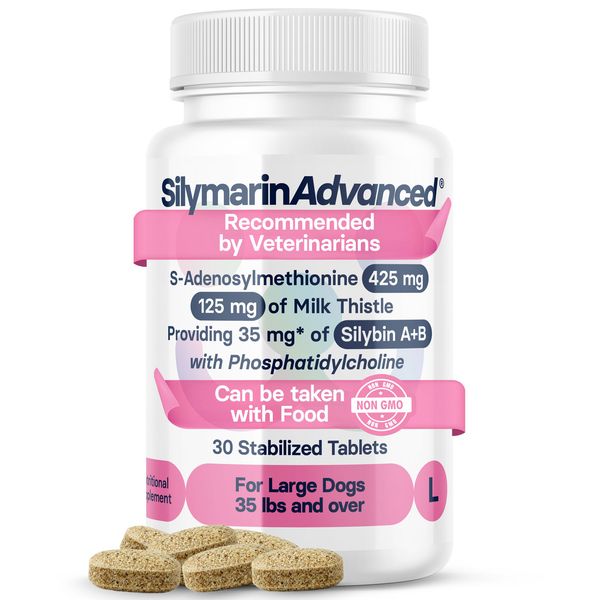
SilymarinAdvanced®
Liver and brain support. Small, medium and large dog versions.
Shop SilymarinAdvanced® -
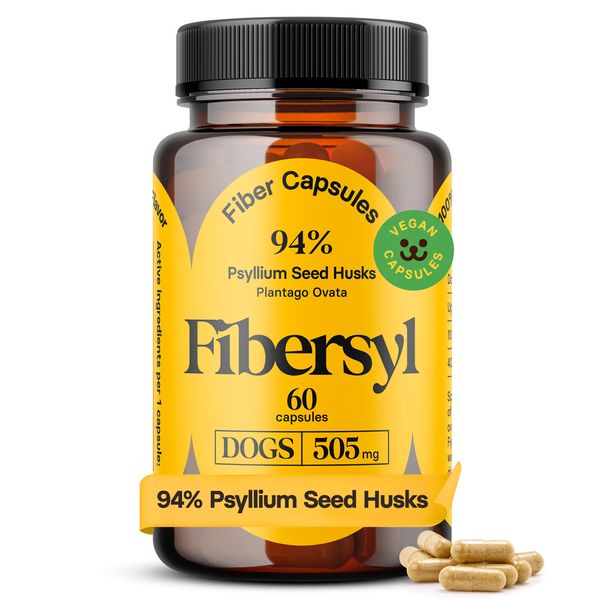
FiberSyl
Psyllium husk fiber for digestive regularity.
Shop FiberSyl -
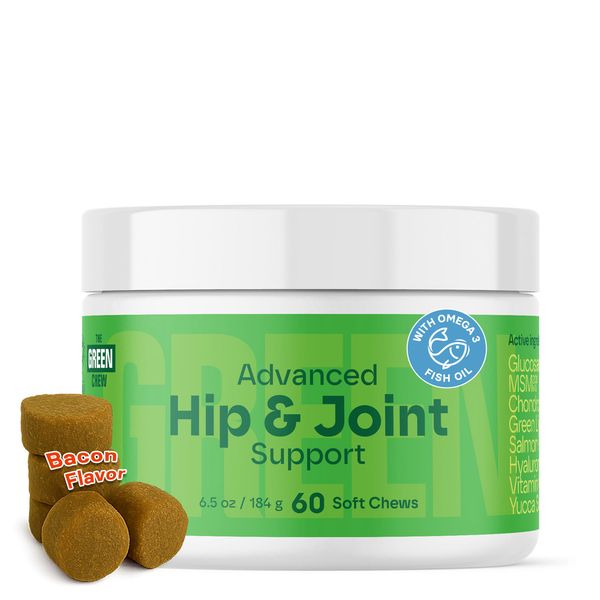
Green Chew Hip & Joint
Joint support soft chews for dogs under 65 lbs.
Shop Hip & Joint -
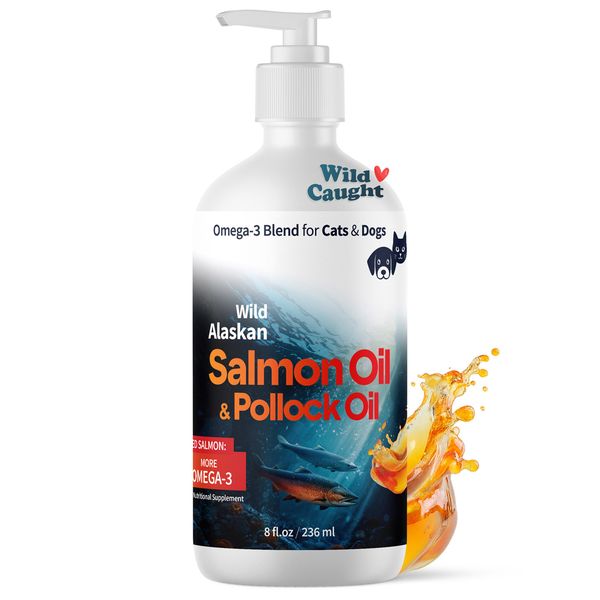
Wild Alaskan Omega 3
Liquid EPA and DHA for skin, coat, heart and joints.
Shop Omega 3 -
Green Chew Multivitamin
8-in-1 daily chew with vitamins C and E and probiotics.
Shop the Multivitamin
Keep tails wagging at every age
Free standard shipping on every U.S. order. Sign up for our newsletter on medsmehappy.com for wellness tips and 10% off your first order.
Explore MedsMeHappy supplementsSources
- AAHA. 2023 AAHA Senior Care Guidelines for Dogs and Cats: Defining the Senior Patient.
- AAHA. Senior Status? Understanding Your Senior Pet's Life Stage.
- Merck Veterinary Manual. Drugs That Affect Digestive Functions in Monogastric Animals (SAMe and silymarin).
- Merck Veterinary Manual. Osteoarthritis in Dogs and Cats.
- Barbeau-Grégoire M, et al. A 2022 Systematic Review and Meta-Analysis of Enriched Therapeutic Diets and Nutraceuticals in Canine and Feline Osteoarthritis. International Journal of Molecular Sciences, 2022.
- VCA Animal Hospitals. Nutraceuticals for Joint Support in Dogs with Osteoarthritis.
- VCA Animal Hospitals. Arthritis and Nutrition for Dogs.
- VCA Animal Hospitals. Fish Oil.
- MedsMeHappy product pages (ingredients, label directions and product descriptions) for each product linked above.
These statements are general information and are not a substitute for professional veterinary advice. MedsMeHappy products are supplements and are not intended to diagnose, treat, cure or prevent any disease.
Comments
Enter your name and email once to join the discussion. Comments are reviewed before they go live.
Commenting as . You're signed up for pet-health tips.