
Fire Salamanders and Dogs: What a Tragic Woodland Walk in Austria Teaches Every Pet Parent
In short
In eastern Austria, a young English Springer Spaniel died within about 15 minutes of nosing through autumn leaves where a fire salamander was hiding. An autopsy confirmed poisoning from the amphibian's skin secretion. Fire salamanders, along with some toads and newts, make toxins that can be very dangerous to dogs and cats, especially if a pet mouths or bites one. Warning signs include sudden drooling, vomiting, trembling, seizures, wobbliness and trouble breathing. If you see any of these after your pet has been near an amphibian, treat it as an emergency and call your vet right away. In the U.S., the same kind of risk comes mainly from cane toads, Colorado River toads and rough-skinned newts.
What happened
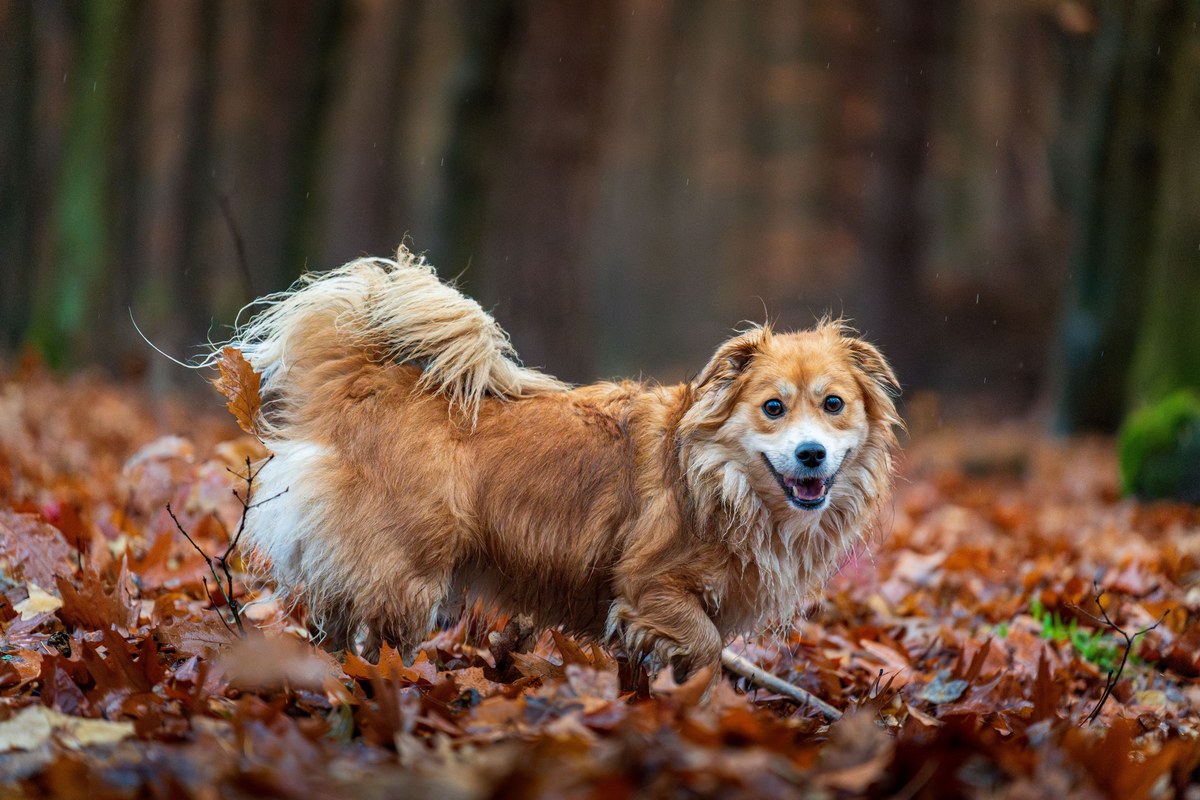
According to Austria's Kronen Zeitung, a one-year-old English Springer Spaniel was on an autumn walk through the woods in Burgenland, in the east of the country. The dog was sniffing around in leaf litter, as spaniels love to do. A few steps later it began to have convulsions that quickly got worse. The dog died in about a quarter of an hour, before anyone could help.
Its owner then found a dead fire salamander under a pile of leaves at the spot where the dog had been sniffing. A post-mortem examination later confirmed that the dog had been poisoned by the salamander's secretion. The story has since been picked up by pet media across Europe, including Wamiz and PETBOOK.
A vet quoted by the Austrian paper said that up to 30 dogs a year die this way in Austria. That number is worth treating with caution: PETBOOK pointed out that no public statistic confirms it, and Germany's nature conservation union NABU described such deaths as isolated cases. Severe poisonings seem to be rare, but as this case shows, they can be devastating when they happen.
Why fire salamanders are dangerous to pets
The fire salamander (Salamandra salamandra) is a striking black-and-yellow amphibian that lives in damp deciduous and mixed forests across much of central and southern Europe. It's a protected species in many places and spends most of its time hidden under leaves, logs and stones, coming out mainly in wet weather.
Its defense is chemical. Glands on the salamander's head and back release a milky secretion containing steroid alkaloids such as samandarin. These are nerve toxins. According to the University of Zurich's veterinary toxicology database, samandarin is a powerful convulsant that acts on the brainstem, and in severe poisonings death is caused by breathing failure.
A few points matter most for pet parents:
- Mouth contact is the big risk. Toxin exposure is greatest when a dog picks up, licks or bites a salamander. An Austrian vet who specializes in venomous animals told Der Standard that this is when the danger increases most.
- Smaller dogs are more vulnerable. The same amount of toxin has a bigger effect on a smaller body.
- Cats aren't immune. Curious cats that bat at or mouth amphibians can be poisoned too.
- People should keep their hands off. In humans the secretion usually causes burning or irritated skin and sometimes nausea, but it's more serious if it gets into the eyes or mouth. NABU's advice is simple: watch, never touch.
The U.S. version of this risk
Fire salamanders don't live in the wild in North America, but American dogs and cats face very similar dangers from other amphibians:
- Cane toads (Rhinella marina, sometimes called bufo toads) are large toads found in Florida, Texas, Hawaii, Louisiana and other warm regions.
- Colorado River toads, also called Sonoran Desert toads (Incilius alvarius), live in parts of California, Arizona, New Mexico and Texas.
- Rough-skinned newts in the Pacific Northwest carry tetrodotoxin, a potent nerve toxin.
According to VCA Animal Hospitals, most other U.S. toads cause only mild signs, like drooling and mouth irritation. The two large toads above, though, can cause life-threatening poisoning within minutes. Toads tend to be most active after rain and at dawn, dusk and night, so evening yard time and rainy-season walks deserve extra attention.
Warning signs to watch for
Signs can appear very quickly, sometimes within minutes of contact. Reports on the Austrian case and veterinary sources list:
- Sudden, heavy drooling or foaming at the mouth
- Pawing at the mouth, retching or vomiting
- Trembling, muscle tremors or seizures
- Wobbly, unsteady walking
- Weakness, collapse, or seeming dazed and less responsive
- Trouble breathing
- With toads, very red gums and changes in heart rate are also common
Many of these signs can have other causes, but if your pet has just been sniffing in leaves, near a pond or around the yard at dusk, an amphibian should be on your list.
What to do if you think your pet had contact
- Get your pet away from the animal. Don't use your bare hands on a salamander, toad or newt. If you have to move it, use a container, damp disposable gloves or a cloth.
- Call your vet or the nearest emergency clinic immediately. Tell them it's a possible amphibian exposure and head in. Don't wait to see if things improve.
- Ask about rinsing the mouth. For toad exposure, VCA advises flushing the mouth with running water, pointed so the water runs out of the mouth with the head tilted down, never down the throat. Ask the clinic whether to do this on the way. Don't try to make your pet vomit unless a vet tells you to.
- Note what you saw. A photo of the animal (from a safe distance), where it happened and when it happened all help your vet.
There's no home remedy for these toxins. Fast veterinary care, often including seizure control and breathing support, gives your pet the best chance.
How to lower the risk on walks and at home
- Know your local wildlife. If you live in or visit salamander country in Europe, or toad and newt areas in the U.S., be extra watchful in damp woods, near streams and ponds, and after rain.
- Use a leash in high-risk spots. It's hard to stop a determined nose in deep leaf litter if your dog is far ahead.
- Teach "leave it." A reliable "leave it" or recall is one of the best safety tools a dog can have.
- Check the yard at dusk. In toad regions, take a quick look with a flashlight before letting your dog out in the evening. Bring water bowls indoors overnight, since toad toxins can get into water left outside.
- Supervise curious cats outdoors, especially in warm, wet weather.
- Protect the wildlife too. Fire salamanders are protected in many areas. Keeping dogs on paths and away from them is safer for both animals.
The bottom line
The Austrian case is heartbreaking, and it's a reminder that a dog's nose can find hazards we never see. Serious amphibian poisonings are uncommon, and the "30 dogs a year" figure is unconfirmed. Still, the toxins involved act fast. Learn which amphibians live where you walk, keep curious noses out of places where they might hide, and if your dog or cat suddenly drools, trembles or collapses after sniffing around, get to a vet without delay.
This article is for general information only and is not veterinary advice. If you think your pet has been poisoned, contact your veterinarian or an emergency veterinary clinic right away.
Frequently asked questions
Why are fire salamanders dangerous to dogs and cats?
The fire salamander's defense is chemical. Glands on the salamander's head and back release a milky secretion containing steroid alkaloids such as samandarin. These are nerve toxins. According to the University of Zurich's veterinary toxicology database, samandarin is a powerful convulsant that acts on the brainstem, and in severe poisonings death is caused by breathing failure. Toxin exposure is greatest when a dog picks up, licks or bites a salamander. Smaller dogs are more vulnerable. Curious cats that bat at or mouth amphibians can be poisoned too.
What warning signs should I watch for?
Signs can appear very quickly, sometimes within minutes of contact. They include sudden, heavy drooling or foaming at the mouth; pawing at the mouth, retching or vomiting; trembling, muscle tremors or seizures; wobbly, unsteady walking; weakness, collapse, or seeming dazed and less responsive; and trouble breathing. With toads, very red gums and changes in heart rate are also common.
What should I do if I think my pet had contact with a salamander, toad or newt?
Get your pet away from the animal. Don't use your bare hands on a salamander, toad or newt. If you have to move it, use a container, damp disposable gloves or a cloth. Call your vet or the nearest emergency clinic immediately. Tell them it's a possible amphibian exposure and head in. Don't wait to see if things improve. For toad exposure, VCA advises flushing the mouth with running water, pointed so the water runs out of the mouth with the head tilted down, never down the throat. Ask the clinic whether to do this on the way. Don't try to make your pet vomit unless a vet tells you to. A photo of the animal (from a safe distance), where it happened and when it happened all help your vet. There's no home remedy for these toxins.
Do fire salamanders live in the United States?
Fire salamanders don't live in the wild in North America, but American dogs and cats face very similar dangers from other amphibians: cane toads in Florida, Texas, Hawaii, Louisiana and other warm regions; Colorado River toads, also called Sonoran Desert toads, in parts of California, Arizona, New Mexico and Texas; and rough-skinned newts in the Pacific Northwest, which carry tetrodotoxin. According to VCA Animal Hospitals, most other U.S. toads cause only mild signs, like drooling and mouth irritation. The two large toads above, though, can cause life-threatening poisoning within minutes.
How can I lower the risk on walks and at home?
Know your local wildlife. If you live in or visit salamander country in Europe, or toad and newt areas in the U.S., be extra watchful in damp woods, near streams and ponds, and after rain. Use a leash in high-risk spots. Teach "leave it" or a reliable recall. In toad regions, check the yard with a flashlight before letting your dog out in the evening, and bring water bowls indoors overnight, since toad toxins can get into water left outside. Supervise curious cats outdoors, especially in warm, wet weather. Fire salamanders are protected in many areas; keeping dogs on paths and away from them is safer for both animals.
More pet-care reading
Autumn woodland walks can hide more than one hazard. Our harvest mites guide covers the tiny orange parasites that cause intense itching after walks through grass and leaf litter.
Read the harvest mites guideSources
- Wamiz Italia (November 12, 2026). Springer inglese annusa una salamandra: muore in appena un quarto d'ora.
- Kronen Zeitung (October 28, 2026). Gift eines Feuersalamanders tötete jungen Hund.
- PETBOOK (October 30, 2026). Feuersalamander giftig für Hunde? Symptome und Erste Hilfe.
- University of Zurich, Clinitox. Gifte von Amphibien.
- VCA Animal Hospitals. Toad Poisoning in Dogs.
- Pet Poison Helpline. Avoid the Newt!.
These statements are general information and are not a substitute for professional veterinary advice. MedsMeHappy products are supplements and are not intended to diagnose, treat, cure or prevent any disease.
Comments
Enter your name and email once to join the discussion. Comments are reviewed before they go live.
Commenting as . You're signed up for pet-health tips.