
Eating Less, Sleeping More: What George the Station Cat Teaches Us About Spotting Illness in Senior Cats
In short
George, the much-loved 12-year-old ginger-and-white cat of Stourbridge Junction station in England, was taken to the vet this week after his family noticed he was eating less and sleeping more than usual. He needed IV fluids, help with feeding and tests to find out why he had a stubborn high temperature. At the time of writing, he was a little more comfortable, but the cause was still unknown. George's story has touched hundreds of thousands of fans, and it's a useful reminder for every cat parent: cats are experts at hiding illness, and small changes in appetite, energy or routine can be the first sign something is wrong, especially in senior cats. A cat that stops eating should see a vet promptly, and older cats benefit from checkups at least twice a year.
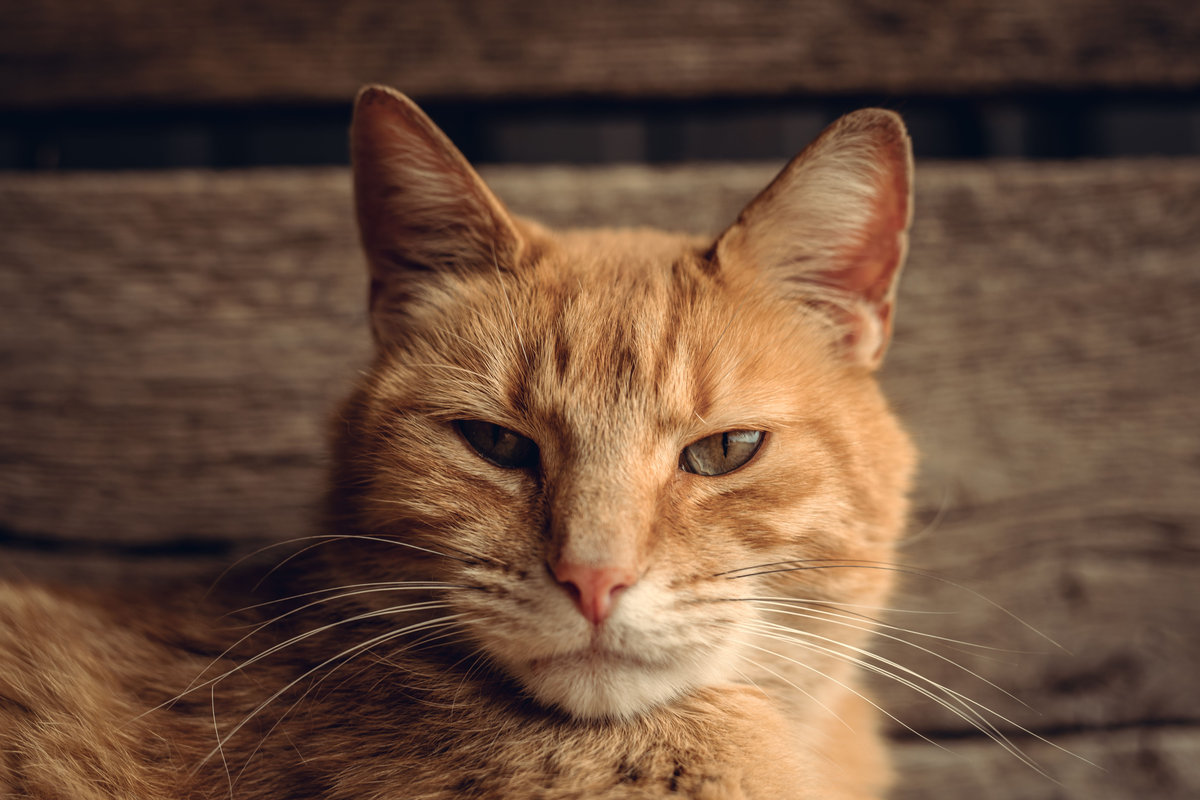
What happened to George
George has been a fixture at Stourbridge Junction since 2017, when he started visiting the station and was later adopted by staff. He now has more than 260,000 followers across social media, a book about his life and even his own marker on Google Maps.
According to BBC News and the local Stourbridge News, his family noticed a decline over a weekend in late November 2026: he was eating less and sleeping more. He was taken to the vet, where he was put on a drip. Early tests showed his kidney and liver function looked normal and his thyroid levels were slightly raised. But vets were puzzled by a high temperature that wouldn't settle, and a CT scan was planned to look for answers.
By November 25, his family reported a few small positives: he was no longer dehydrated, his temperature had come down a bit, and he was still getting help with feeding. Fans have donated more than £60,000 toward his care, and his family has said any money left over will go to animal charities.
We're wishing George a full recovery. No diagnosis had been announced when we wrote this, so this article doesn't guess at what's wrong with him. Instead, it looks at what his story can teach the rest of us.
Why cats hide being sick
Cats are both predators and prey animals, and showing weakness is risky in the wild. As a result, many cats hide pain and illness until a problem is fairly advanced. The American Association of Feline Practitioners (AAFP) points to this "innate ability to hide ailments" as one of the main reasons regular physical exams matter so much for cats.
That means the early signs are usually quiet changes, not dramatic ones. George's family did exactly the right thing: they noticed he wasn't himself and acted quickly.
Subtle signs your cat may be unwell
Watch for changes from your own cat's normal, such as:
- Eating less, being pickier, or skipping meals
- Sleeping more, or being less interested in play, people or favorite spots
- Hiding more than usual
- Drinking more or less water, or changes in litter box habits
- Weight loss (sometimes even with a big appetite)
- Grooming less, leading to a greasy, matted or unkempt coat, or over-grooming one area
- Vomiting, diarrhea or constipation that happens more than occasionally
- Hunched posture, reluctance to jump, or sitting "loafed" with eyes half-closed for long periods
- Changes in voice, such as unusual yowling, especially at night
- Bad breath, drooling or dropping food (often dental pain)
One of these alone isn't always serious, but a change that lasts more than a day or two, or several changes together, is worth a call to your vet.
Why a cat that stops eating is never "wait and see"
With dogs, a skipped meal is often no big deal. With cats, it can be more serious. Cornell University's Feline Health Center explains that when a cat stops eating, the body starts moving fat into the liver faster than the liver can process it. This can lead to hepatic lipidosis (fatty liver disease), a condition that can be fatal if it isn't treated promptly. Overweight cats are at higher risk.
So if your cat is eating noticeably less, or has stopped eating altogether, contact your veterinarian promptly. Don't wait several days to see whether it passes. That's also why vets, like George's, sometimes give cats help with feeding while they search for the underlying cause.
What a fever means in cats
According to VCA Animal Hospitals, a cat's normal body temperature is about 100.5°F to 102.5°F (38.1°C to 39.2°C). That's higher than ours, so a cat that feels "warm" to you isn't necessarily feverish, and warm ears alone don't tell you much.
Fever is the body's response to something, most often infection, but also inflammation, immune problems, some cancers or reactions to medication. When a cat's temperature stays above about 103.5°F (39.7°C) for more than a few days and the cause isn't obvious from an exam, vets call it a fever of unknown origin. Finding the cause can take bloodwork, urine tests, X-rays, ultrasound or advanced imaging such as a CT scan, which is the kind of step-by-step search George's vets have been carrying out. VCA notes that a persistent high fever lasting more than 48 hours is serious.
A few important safety points:
- Never give your cat human fever or pain medicine. Acetaminophen (Tylenol) is extremely toxic to cats, and other common painkillers can also be dangerous.
- Let your vet take the temperature if you're unsure how to do it safely. Signs like lethargy, poor appetite, hiding, shivering or fast breathing are reason enough to call.
- Keep your cat hydrated and comfortable, but don't rely on home care for a cat that is clearly unwell.
Why vets check kidneys, liver and thyroid in older cats
When an older cat isn't feeling well, a vet will often start with blood and urine tests that look at major organ systems. George's early results checked his kidneys, liver and thyroid, which are some of the most common trouble spots in senior cats.
Thyroid: Cornell's Feline Health Center describes hyperthyroidism (an overactive thyroid) as a common disease in middle-aged and older cats, usually caused by a non-cancerous enlargement of the thyroid gland. Classic signs include weight loss despite a good appetite, increased thirst, restlessness and an unkempt coat. It's diagnosed with blood tests and is very treatable, with several options a vet can discuss.
A slightly raised thyroid result doesn't always mean a cat has hyperthyroidism, though. Results have to be interpreted alongside the whole picture, and sometimes repeated. That's a job for your vet, not for a news headline.
Kidneys and liver: Kidney disease is common in older cats, and liver problems can follow a period of not eating. Normal results help a vet rule things out and narrow the search.
How to stay ahead of problems in your senior cat
Cats are usually considered senior from around 10 years old, and many live well into their late teens. The AAFP's senior care guidelines recommend:
- Vet checkups at least every six months for senior cats, and more often for very old cats or those with ongoing conditions.
- Regular weight checks. Small, steady weight loss is easy to miss by eye, so weigh your cat at home or at the clinic and keep a record.
- Blood pressure checks and routine bloodwork, which can catch kidney, thyroid and other problems before obvious signs appear.
At home, you can help by:
- Knowing your cat's normal. How much they eat, how much they drink, how often they use the litter box and where they like to sleep.
- Writing down changes. A short note with dates ("ate half her breakfast Sat and Sun, sleeping under the bed") is very helpful to your vet.
- Making life easy. Low-sided litter boxes, steps up to favorite perches, soft bedding and food and water within easy reach help older cats stay comfortable.
- Planning for costs. George's story shows how quickly specialist care adds up. Pet insurance, a savings fund or a payment plan agreed with your clinic in advance can make a hard week a little less stressful.
When to call the vet right away
Contact your veterinarian or an emergency clinic promptly if your cat:
- Hasn't eaten for more than a day
- Is very lethargic, hiding or unresponsive
- Has trouble breathing or is breathing with an open mouth
- Strains in the litter box without producing urine (an emergency, especially in male cats)
- Has repeated vomiting, collapse or seizures
- Shows yellowing of the gums, ears or eyes
The bottom line
George's fans fell in love with a cheeky station cat, and his illness has reminded people all over the world how much our cats mean to us. It's also a reminder that cats rarely announce when they're sick. Eating less and sleeping more may look like a quiet day, but in a senior cat it can be the first clue. Trust your instincts, act early, and keep up with regular checkups so small problems get caught while they're still small.
This article is for general information only and is not veterinary advice. If you're worried about your cat's health, please talk with your veterinarian.
Sources
- BBC News, "More than £40k raised for station cat's vet bills" (November 24, 2026).
- Stourbridge News, "Stourbridge cat George remains unwell as funds top £37k" (November 24, 2026).
- Stourbridge News, "Stourbridge station cat George shows signs of improvement" (November 25, 2026).
- VCA Animal Hospitals, "Fever of Unknown Origin in Cats".
- Cornell Feline Health Center, "Hyperthyroidism in Cats".
- Cornell Feline Health Center, "Hepatic Lipidosis".
- 2021 AAFP Feline Senior Care Guidelines, Journal of Feline Medicine and Surgery: https://pmc.ncbi.nlm.nih.gov/articles/PMC10812122/.
These statements are general information and are not a substitute for professional veterinary advice. MedsMeHappy products are supplements and are not intended to diagnose, treat, cure or prevent any disease.
Comments
Enter your name and email once to join the discussion. Comments are reviewed before they go live.
Commenting as . You're signed up for pet-health tips.